There are different ways to disappear.
You can run away. You can hide. You can fall off the face of the earth.
Or you can get arrested and transferred to Jefferson County Jail.
That’s what happened to me.
And the strange thing was, I hadn’t gone anywhere. I was right there in Birmingham, Alabama. But as far as the outside world was concerned, I might as well have been on the moon.
When I arrived at Jefferson County Jail, my phone had been confiscated.
Now, that might not sound like a particularly big deal. After all, people survived for thousands of years without cell phones. But somewhere along the way, we stopped remembering telephone numbers. We outsourced our memories to little electronic devices.
And suddenly, without mine, I discovered something remarkable. I didn’t know how to call anybody.
I could remember two telephone numbers. My friend Billy’s. And my father’s. And I wasn’t going to call my father.
That left Billy.
Think about that for a minute. A grown man with friends, family, business associates, and an entire lifetime of relationships, reduced to one telephone number. One connection to the outside world. And even that connection wasn’t guaranteed.
Meanwhile, people were trying to find me. I know that now because I’ve spoken with some of them since getting out. They told me they called. They tried to reach me. They tried to figure out how to communicate with me.
And they kept running into walls. Not literal walls, although there were plenty of those where I was. Bureaucratic walls. Telephone systems. Procedures. Questions nobody seemed able to answer.
They couldn’t get through. Nobody seemed to know how to reach me. And I had no practical way to reach them.
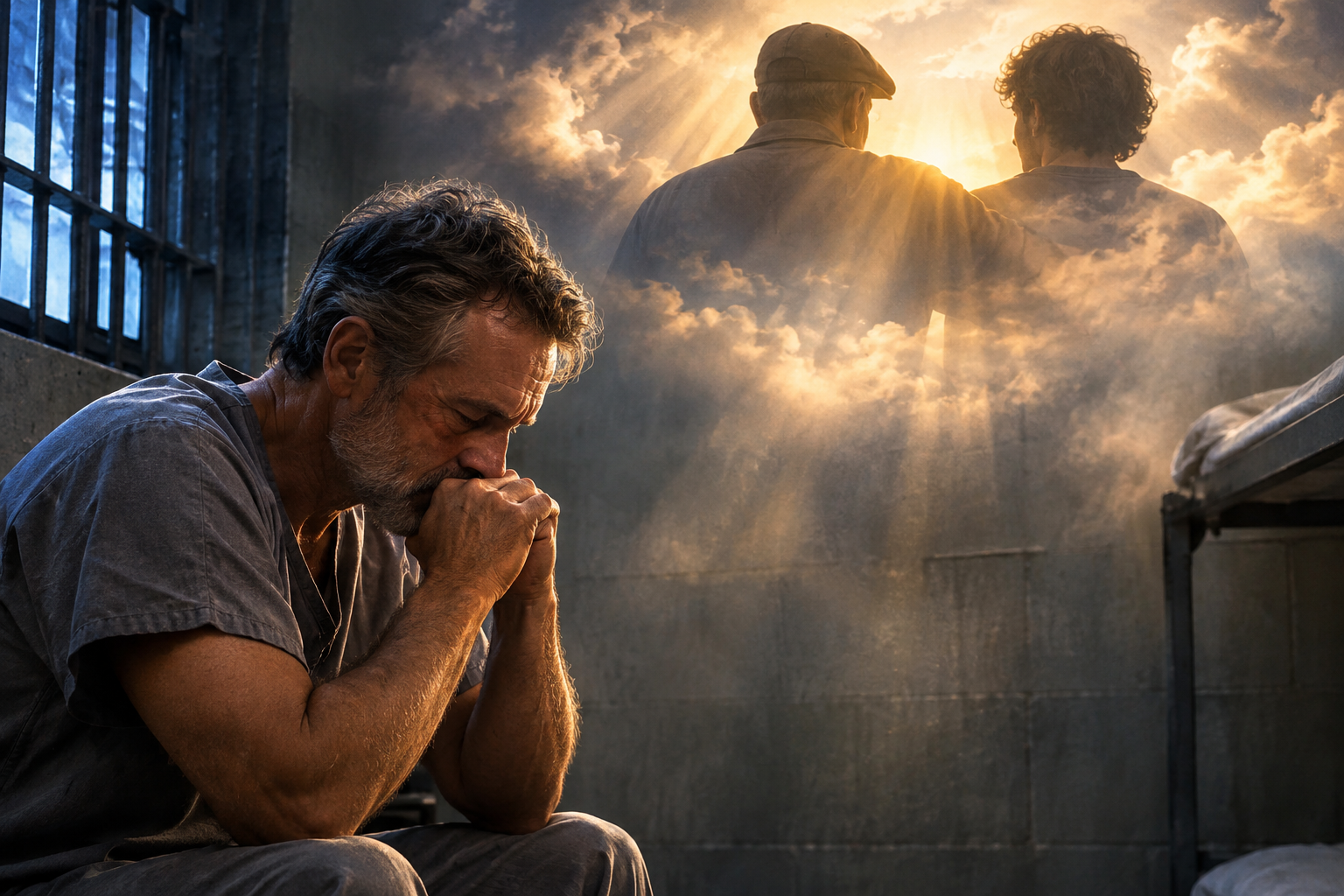
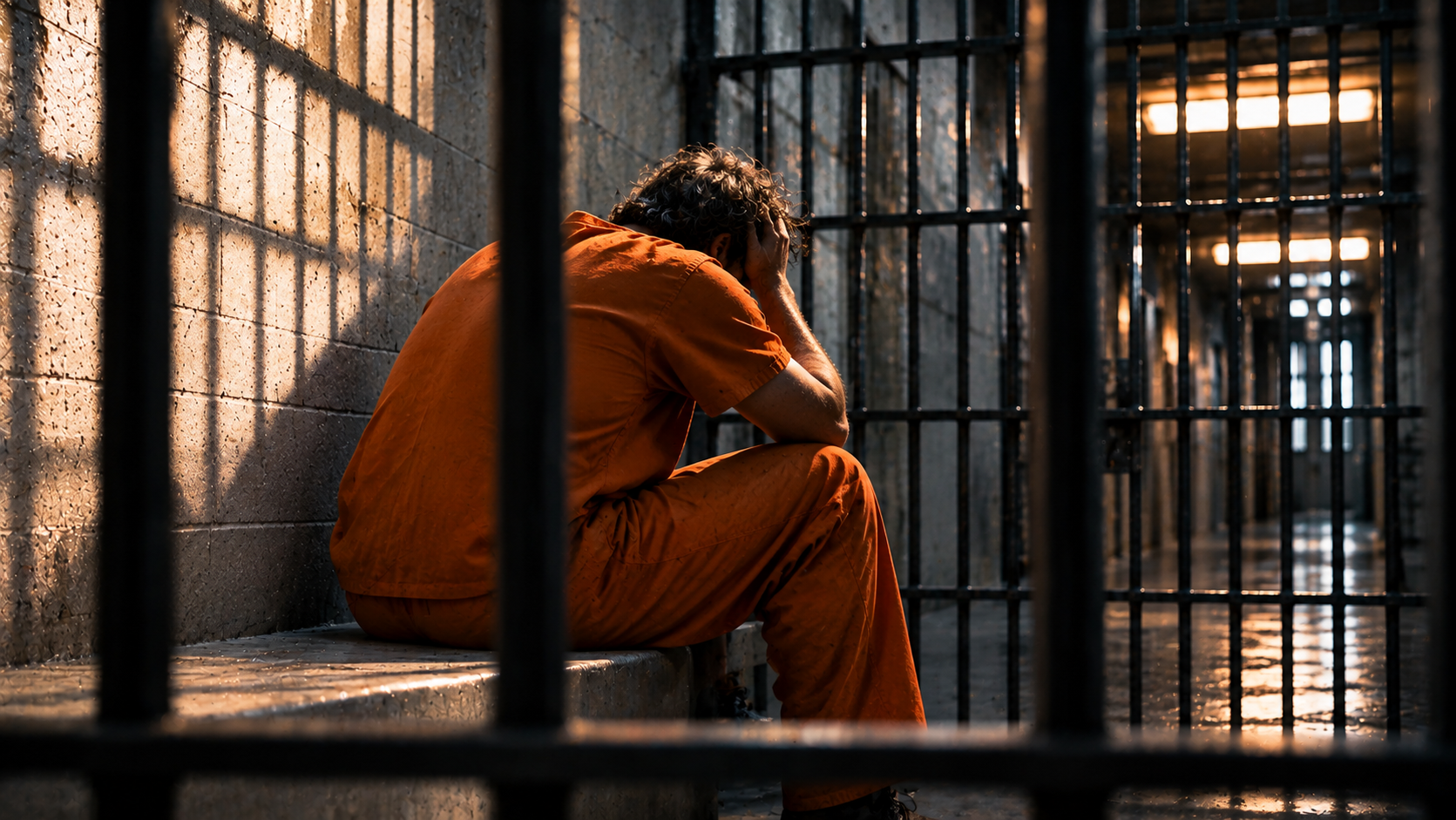
It’s a strange feeling to realize that you can be surrounded by people and still be completely alone.
There were officers. There were other inmates. There were people everywhere. But the people who knew me weren’t there. The people who might have wanted to help me weren’t there. And the people who were trying to contact me couldn’t get through.
I had effectively disappeared.
The irony is that we live in the most connected civilization in human history. We carry devices that can reach someone on the other side of the planet in seconds. We can send photographs, videos, messages, and money across oceans with a tap of a finger.
But take away that little rectangle in your pocket, put a man behind bars, and suddenly the entire system of human connection can collapse. At least mine did.
I don’t know whether the people answering those calls understood what was happening. I don’t know whether the system was simply overwhelmed, poorly designed, or operating exactly as intended.
I can only tell you what happened from my side. I was inside. People were outside. And we couldn’t reach each other.
There’s something profoundly unsettling about that. Because when people can’t communicate with you, they can’t necessarily know whether you’re safe. They can’t hear your side of the story. They can’t ask what you need. They can’t tell you they’re thinking about you.
And perhaps most importantly, you can’t tell them you’re still there.
I’ve thought a lot about those days since getting out. About the people who tried to reach me. About the telephone numbers I couldn’t remember. About Billy’s number, sitting there in my head like the last working telephone line in America.
And about my father’s number. The one I remembered but wasn’t willing to dial. That’s a story of its own.
For now, I keep coming back to something simple. Human beings need connection. Not just food, water, and shelter. We need to know somebody knows where we are. We need to know somebody can hear us. We need to know we haven’t been forgotten.
And sometimes the most frightening part of being locked up isn’t the locked door. It’s the silence on the other side.
I wasn’t missing. I wasn’t hiding. I wasn’t dead. I was in Jefferson County Jail.
But for a while, I was lost to the world.
JC