My father was running for office. I was already upset with him over how I felt he’d responded to some of the parents and doctors I’d been working with. Focus on America put out an endorsement list. I shared it on Facebook. As I understood it, I was passing along their list, and there was a candidate on it running against my father. You can imagine how much context a Facebook share carries into a family argument.
Part of the trouble with a family disagreement in an election year is that two very different conversations can wind up on the same screen. I was thinking about a list and a set of disagreements I could explain at considerable length. I was also somebody’s son. The little button I pressed had exactly enough room for the word share. It had no room for the history of our relationship.
I’d been involved with parents and doctors who wanted people in office to hear them out. I cared about that work and had strong feelings about how it had gone. I also carried those feelings into conversations that started somewhere else entirely. This is a talent of mine. Give me a new subject and I can generally find a way to bring an old grievance along for the ride.
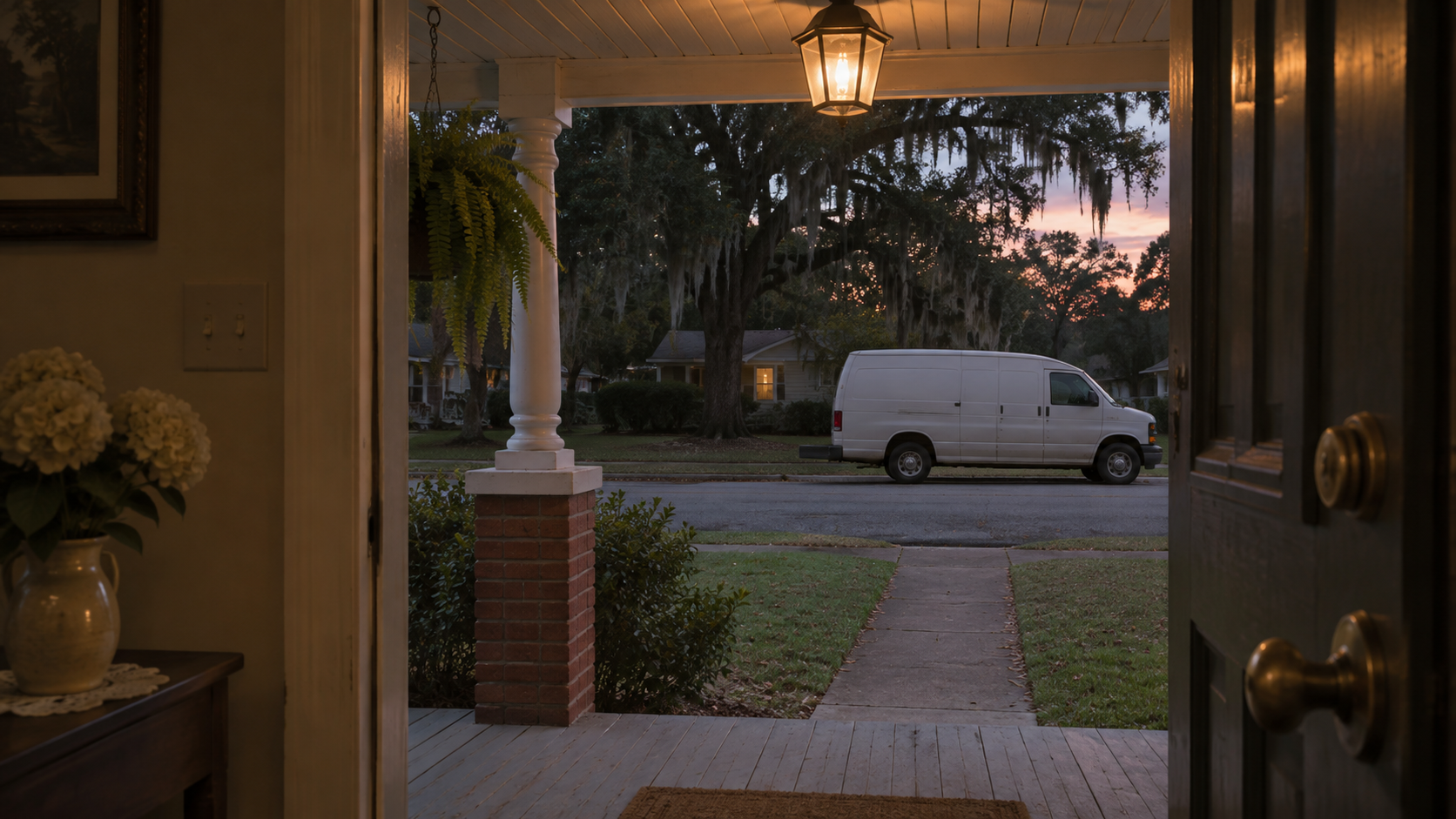
Later my sister and her husband came to my house for an intervention. There was a van. They wanted me to get in. I refused. I remember telling the man in the van to go away. By then I was doing a very poor job of imagining what the scene looked like to anybody standing on the other side of my front door.
I can describe the front door better than I can describe what everyone was thinking on either side of it. I know what I was asked to do. I know what I said. I know what it felt like to decide that I would stay where I was. The details I remember most clearly are the ordinary ones. There was a house. There was a van. There was a man I wanted to leave.
I experienced it as people trying to take control of my life. I can still remember the anger. I can also tell you that anger is very good at supplying an explanation before anyone’s had a chance to finish a sentence. The repost and the intervention belong in the order I remember them. I don’t know what went into everybody else’s decisions.
In the moment I thought I understood the whole situation. I was very sure of myself. Certainty is a comfortable thing to have when you’re angry, because it saves you the work of asking another question. It can save you the work of listening to the answer, too. I had my own reasons for saying no. I’ve had time since then to think about the way I said it.
When I tell it now, I want the reader to be able to see why I felt the way I did. I also want to leave room for the fact that I was one person in the scene. Being the person writing it gives me the unusual privilege of choosing where the sentences end. It doesn’t give me a view into anybody else’s head.
Afterward came court filings, including a protection-from-abuse case, and a stretch of life in which I learned how quickly a family disagreement can acquire a case number. Those matters are still open as I write this. I know the choices I made, and I have plenty to reckon with there.
The story got less familiar after that. I’d known the house and the people involved a long time. Soon there were rooms I hadn’t been in before and people whose jobs I didn’t understand. I could still get very sure of things in those rooms. I had more opportunities than I would have liked to find out how far that got me.
I wish I could tell you I’d spent the previous few days practicing patience. I’d spent a good deal of them talking about God and intelligence. There’s a considerable distance between enjoying a conversation about wisdom and finding some when people are standing at your door. I was learning that distance in a way I would have preferred to read about in somebody else’s memoir. My next conversation was going to test that.
I’d been talking about original intelligence a few days before. At my front door I could have used the ordinary kind that lets a man take a breath before he opens his mouth.
— JC
“He that is slow to anger is better than the mighty.” — Proverbs 16:32 (KJV)