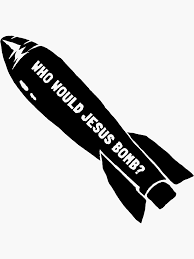
Zionists, Orthodox Jews, Messianic Jews, and Christians sometimes find themselves on the same side politically when it comes to Israel. But they do not believe the same things about God, the Messiah, or how the world should move toward peace. Those differences matter, especially when war enters the conversation.
Right now, tensions in the Middle East remain high. Voices across politics and religion are calling for stronger military action. But before Christians automatically support war, it is important to understand who is speaking, what they believe, and why.
Four groups are often discussed together when people talk about Israel and conflict:
- Zionists
- Orthodox Jews
- Messianic Jews
- Christians
These groups sometimes cooperate politically, but their beliefs about the Messiah and the future are very different, and those beliefs shape how they view war.
Orthodox Jews: Waiting for the Messiah
Orthodox Jews believe the Messiah has not come yet.
In their understanding, the Messiah will be a human king from the family line of King David who will:
- Restore Israel
- Gather the Jewish people back to the land
- Rebuild the Temple in Jerusalem
- Defeat Israel’s enemies
- Establish worldwide peace
Because of this expectation, protecting the Jewish nation is extremely important.
Many Orthodox Jews view modern threats to Israel through the lens of Jewish history, where hostile nations repeatedly tried to destroy the Jewish people. Iran’s government has openly threatened Israel and supports groups such as Hamas and Hezbollah.
From this perspective, defending Israel—even through military force—can be seen as necessary for survival and for the future hope of the Messiah.
A prominent American political figure connected to this worldview is Jared Kushner, who grew up in an Orthodox Jewish family and has been a strong supporter of Israel. Kushner played a major role in negotiating the Abraham Accords, which normalized relations between Israel and several Arab nations.
Messianic Jews: Believing Jesus Is the Messiah
Messianic Jews believe something different from Orthodox Judaism.
They believe that Jesus (Yeshua) is the Messiah, but they still maintain a strong Jewish identity and many Jewish traditions.
One of the most visible voices in this movement is Sid Roth, who openly identifies as a Messianic Jew. Through his television program and ministry, Roth frequently discusses miracles, faith, and biblical prophecy, especially events related to Israel.
Many Messianic believers watch the Middle East closely because they believe certain biblical prophecies may involve nations surrounding Israel. Some connect modern conflicts with passages like Ezekiel 38–39, which mentions Persia—the ancient name associated with the region that includes modern Iran.
Because of this prophetic focus, some Messianic believers see tensions in the region as potential signs of unfolding prophecy.
Zionists: Protecting the Nation of Israel
Zionism is primarily a political movement focused on protecting and strengthening the modern nation of Israel.
Some Zionists are religious, while others are completely secular. The core belief of Zionism is that the Jewish people should have a secure homeland in Israel and that the nation must be defended.
One of the most prominent Zionist leaders today is Benjamin Netanyahu. Netanyahu is widely recognized as a Zionist political leader whose priority is the security and survival of the Israeli state.
From this perspective, if nations like Iran threaten Israel, military strength is considered necessary to prevent destruction.
This viewpoint is focused primarily on national survival rather than theological prophecy.
Political Christians and Support for Israel
Some political leaders who identify as Christians also strongly support Israel’s military defense.
For example, Donald Trump has publicly identified as a Christian and has been one of Israel’s strongest allies in American politics. During his presidency, Trump moved the U.S. embassy to Jerusalem and took a hard stance against Iran.
Many American evangelical Christians also support Israel because they believe the nation plays a special role in biblical history.
But this raises an important question:
Does supporting Israel politically mean Christians must support every war connected to it?
That question brings us to the heart of the Christian perspective.
What Christians Believe About the Messiah
Christians believe the Messiah has already come in the person of Jesus Christ.
And when Jesus came, He did something very different from what many expected.
Instead of building an army or leading a political revolution, He taught His followers to live by a radically different ethic.
Jesus said:
“Blessed are the peacemakers, for they will be called children of God.”
— Matthew 5:9
He also said:
“Love your enemies and pray for those who persecute you.”
— Matthew 5:44
When one of His disciples tried to defend Him with a sword, Jesus responded:
“Put your sword back in its place, for all who take the sword will perish by the sword.”
— Matthew 26:52
Jesus’ kingdom was not established through military conquest.
He even told the Roman governor Pontius Pilate:
“My kingdom is not of this world. If it were, my servants would fight.”
— John 18:36
The Christian Calling: Peacemakers
Christians can pray for Israel.
Christians can care deeply about the safety of Jewish people.
Christians can support peace and justice in the region.
But the teachings of Jesus push believers toward something higher than geopolitical conflict.
Christians are called to be peacemakers.
War may sometimes occur in the world of nations and governments. But the kingdom of Christ grows in a different way.
Not through bombs.
Not through revenge.
Not through political domination.
But through truth, sacrifice, forgiveness, and peace.
That is the path Jesus laid out for those who claim to follow Him.