The Coin and the Covenant
The story of empire always ends in silence. But the story of redemption still speaks. And it speaks through those who refuse to bow—those who live unbranded, led by the One who cannot be bought.

In Scripture, the half-shekel was the great equalizer — an offering for every Israelite, rich and poor alike, to sustain the sanctuary where no man’s image could stand.
The Holy of Holies was empty because God cannot be contained.
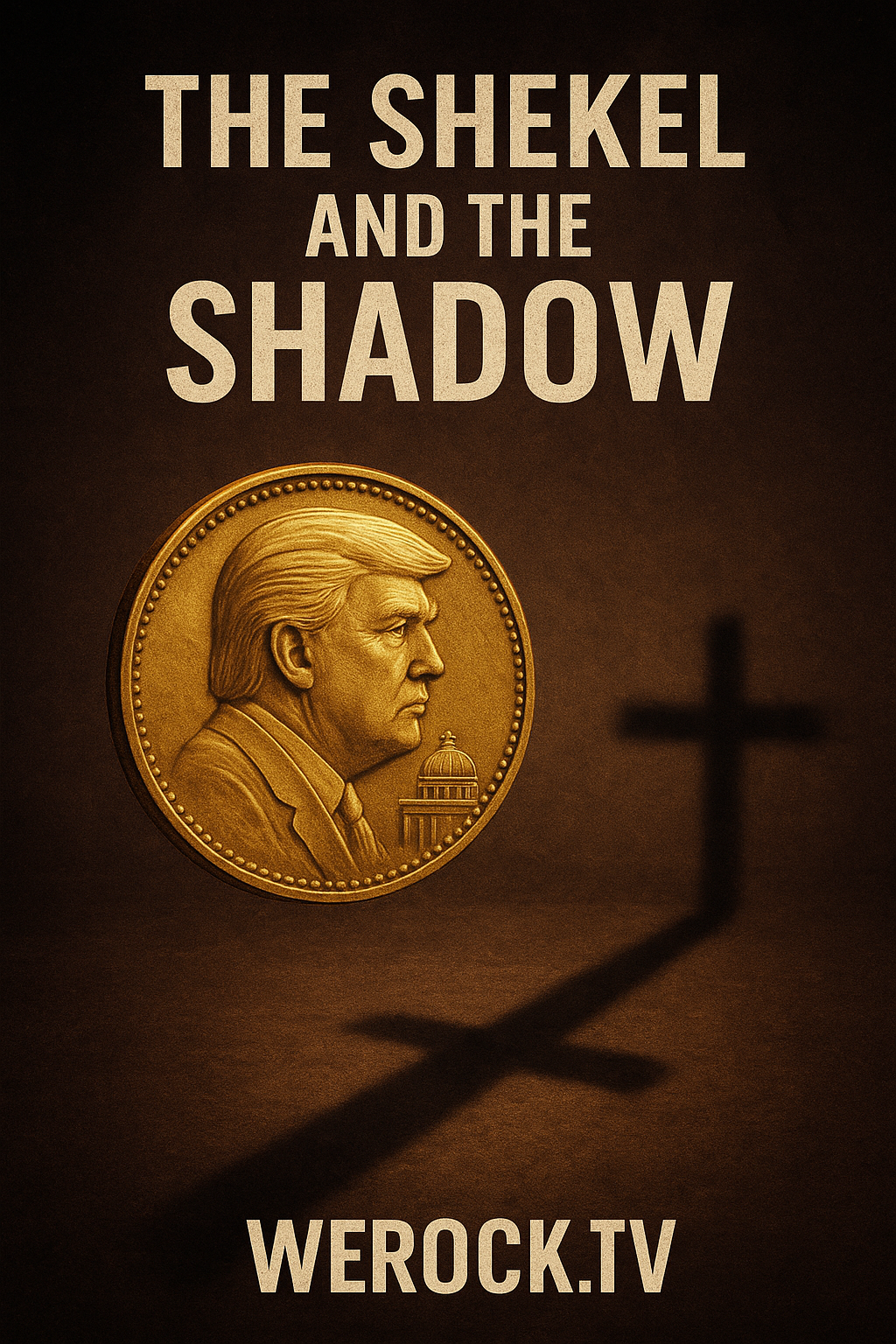
To carve the image of man upon the coin of worship was to confuse the vessel for the source — to turn atonement into transaction, and faith into funding. Yet here we are again, buying holiness at market price, blessing politics with sacred titles, and calling it revival.
Cyrus, Trump, and the Modern Messiah Complex
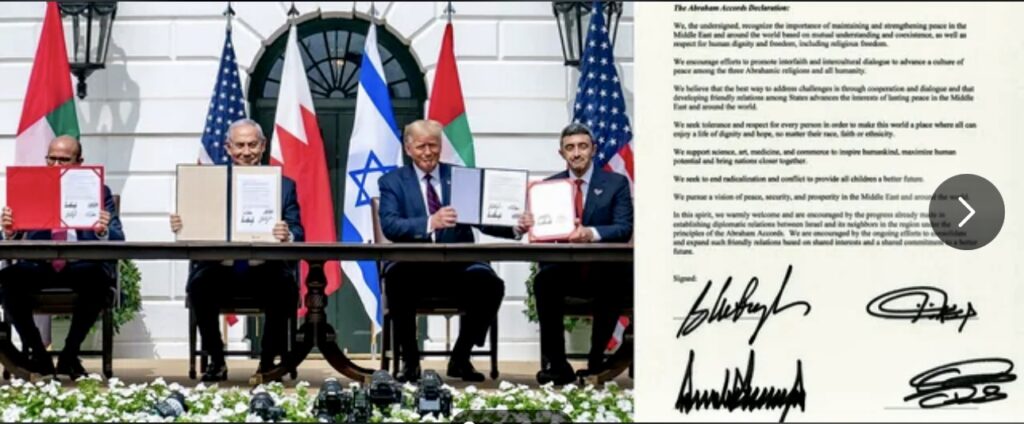
Rabbi Mordechai Persoff, one of the coin’s designers, calls Trump a modern-day Cyrus — the foreign ruler used by God to restore Jerusalem. But Isaiah’s warning still echoes:
“I call you by your name, though you do not know me.” — Isaiah 45:4
Cyrus was an instrument of deliverance, not an object of devotion. The danger lies not in honoring what a man has done, but in confusing political deliverance for spiritual redemption. No king, president, or influencer can inaugurate the Kingdom of God.
The “Prince of Peace” Controversy
In October 2025, the Israel Heritage Foundation took the symbolism even further, presenting Trump with the Covenant of Peace Award and publicly calling him the “Prince of Peace.”
To some, it was tribute. To others, blasphemy.
The title belongs to one alone — the Messiah, foretold by Isaiah, revealed in Christ. To place it upon a living ruler is to resurrect an ancient error: the worship of Caesar in the temple courts of God.
“These are not compliments. These are coronations — and history never ends well when men crown themselves with divine names.”
The Marketplace of Faith
Every age mints its idols. Every generation strikes its shekels. What was once the sign of equality and atonement becomes the marketing of messiahs.
The “Temple Coin” is not merely a collectible — it’s a theology cast in metal, a sermon of silver declaring that salvation can be bought, displayed, or endorsed. But Christ overturned the money changers’ tables for this very reason — not because of the coins themselves, but because faith had become a marketplace.
Render Unto God
When Jesus said, “Render unto Caesar what is Caesar’s, and unto God what is God’s,” He drew a permanent border between the realm of empire and the realm of eternity. Caesar’s coin bears his image — but humanity bears God’s image, and that image cannot be minted, sold, or awarded.
It is reflected only in love, humility, and self-emptying grace — not in political spectacle or temple showmanship.
The True Temple
The true temple is not being rebuilt in stone or silver, but in hearts that resist the call of gold and ego. The Spirit of God still whispers through the noise of empire:
“You cannot serve both God and Mammon.”
The shekel may glitter, but it cannot redeem.
The awards may dazzle, but they cannot anoint.
For the real Prince of Peace wore no crown of gold — only thorns. He sat not on the throne of kings, but on the wood of a cross. And the only coin He ever flipped was the one used to buy and sell the souls of men.
So as the world crowns its next savior-of-the-month — the strongman, the dealmaker, the “chosen” one of empire — remember this:
No graven image can capture the face of the One who reigns through mercy. No minted coin can buy what was already purchased — by blood, not bullion.
The question is not who rules Jerusalem. The question is who rules your heart.